Virtual Farm Tour
Row Crops
STOP 1
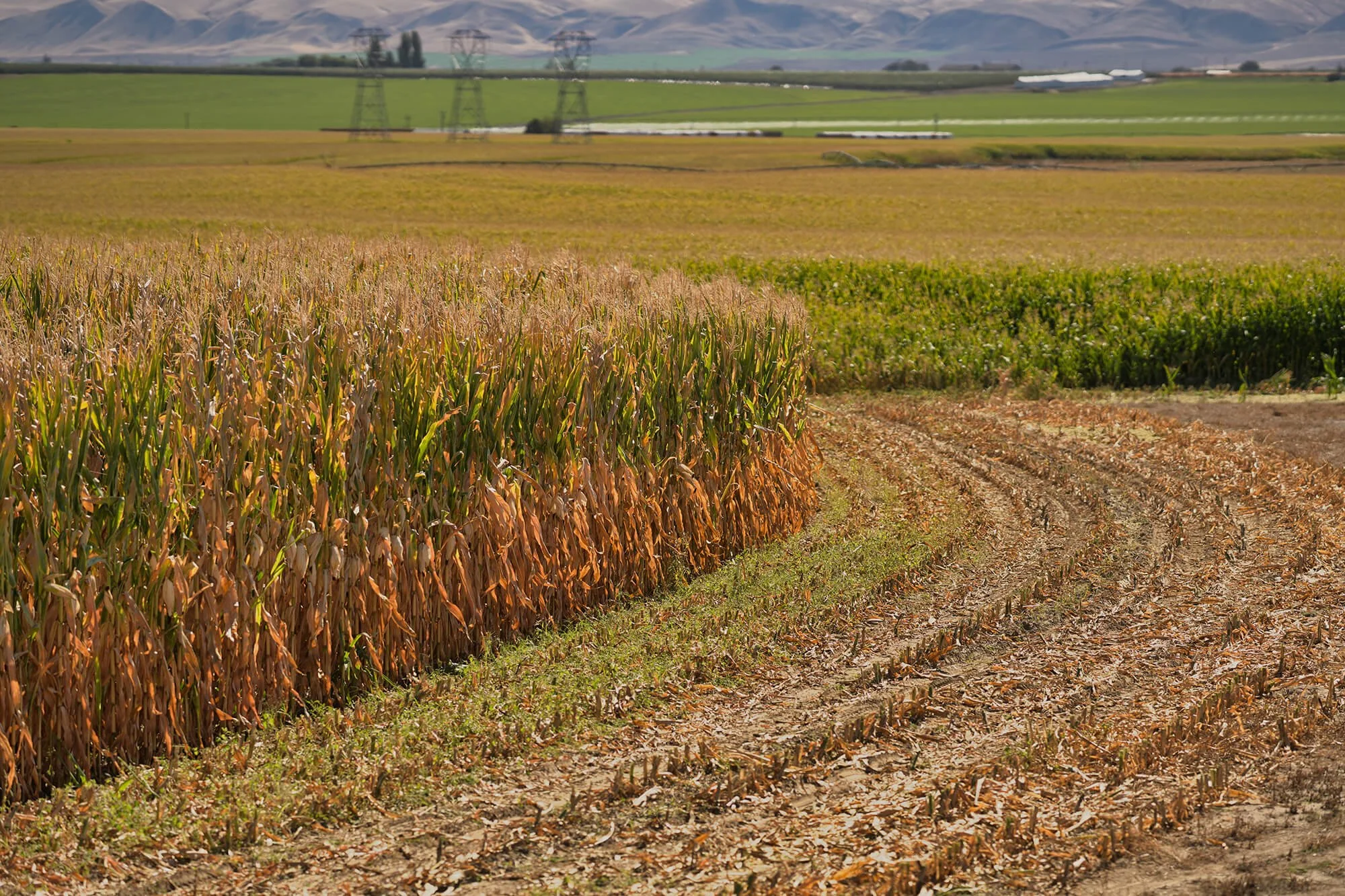
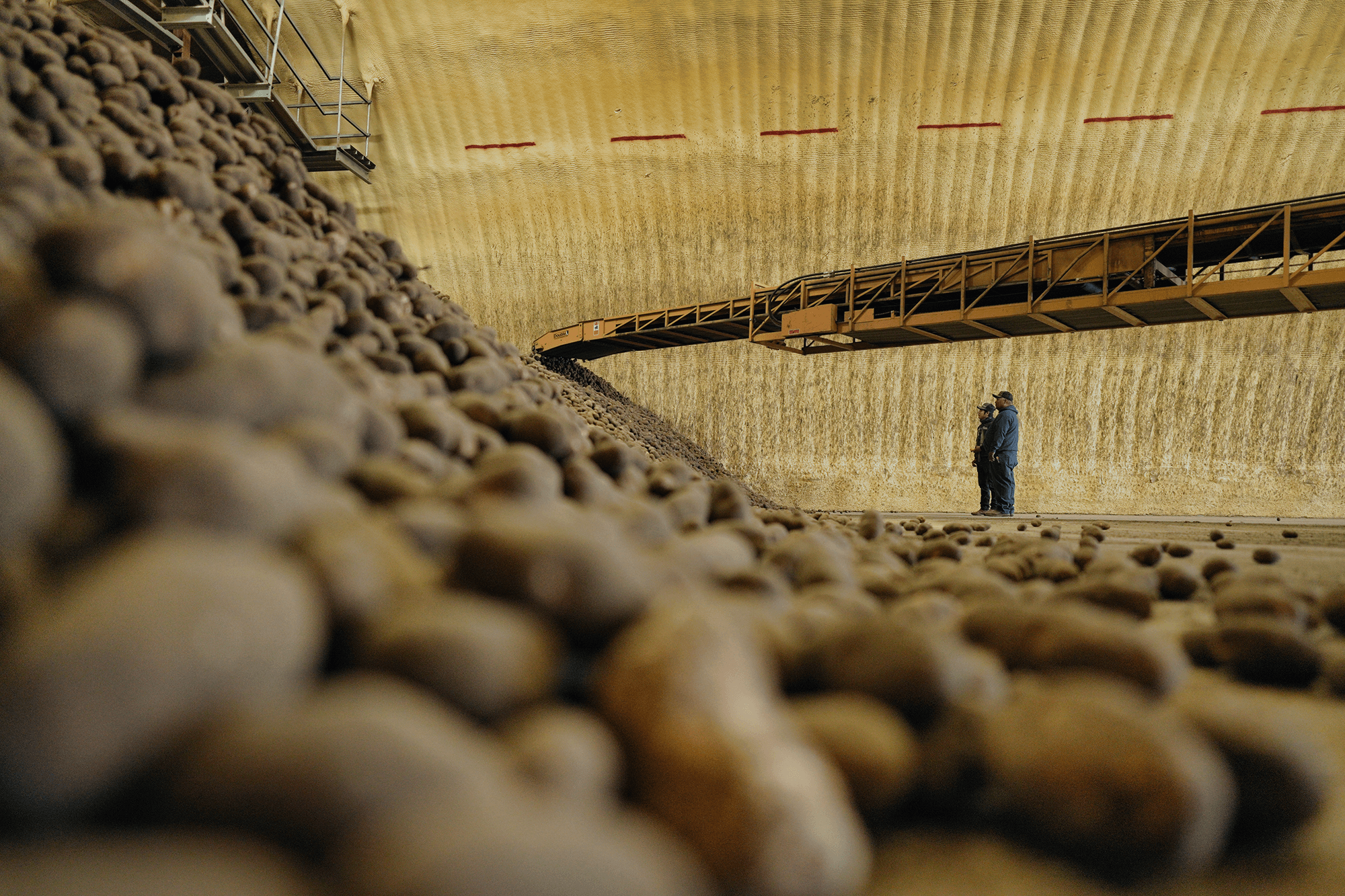
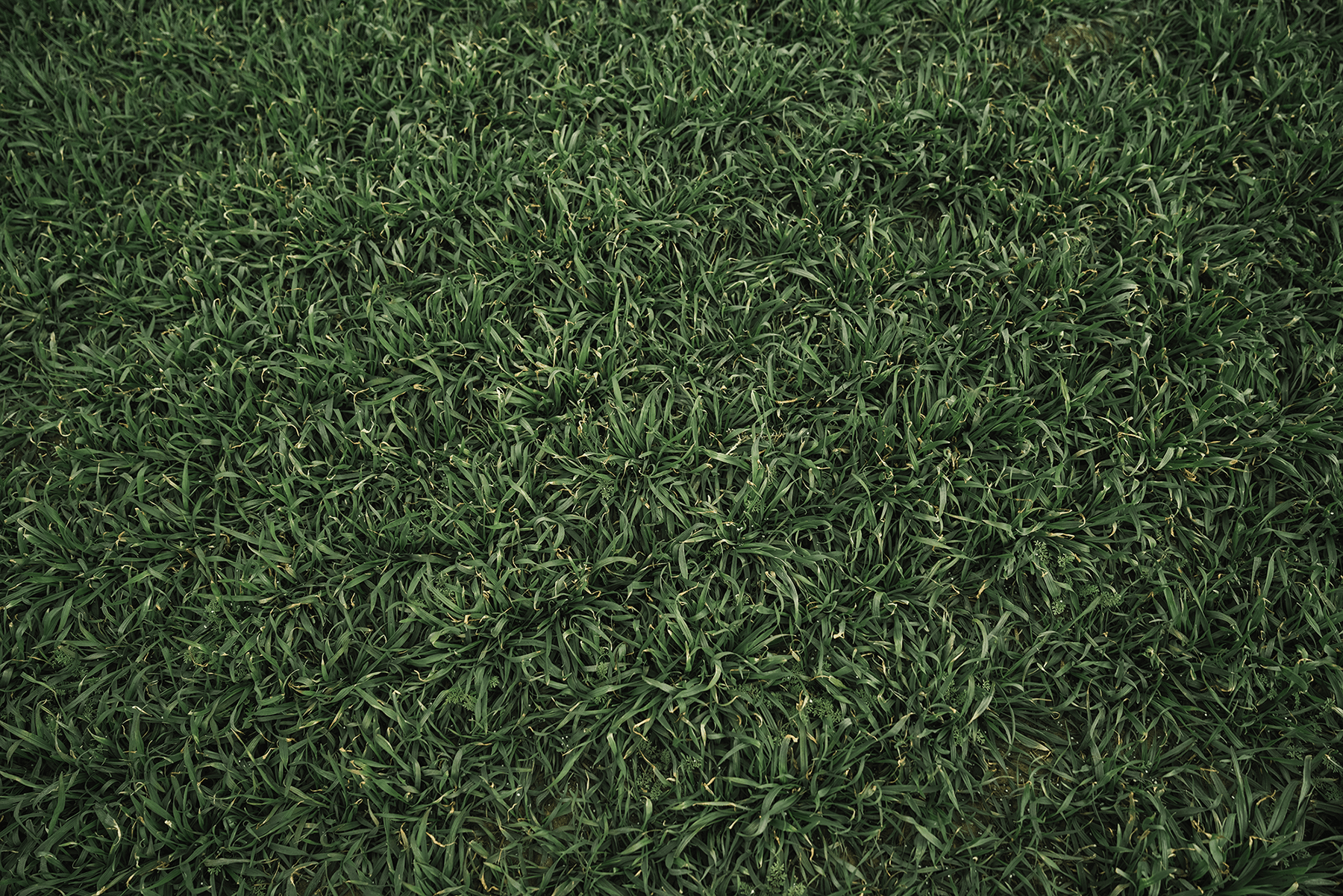
Royal Family Farming has a diverse crop production, an essential link in a closed-loop system that fuels livestock and creates byproducts that are returned to the soil to grow more crops.
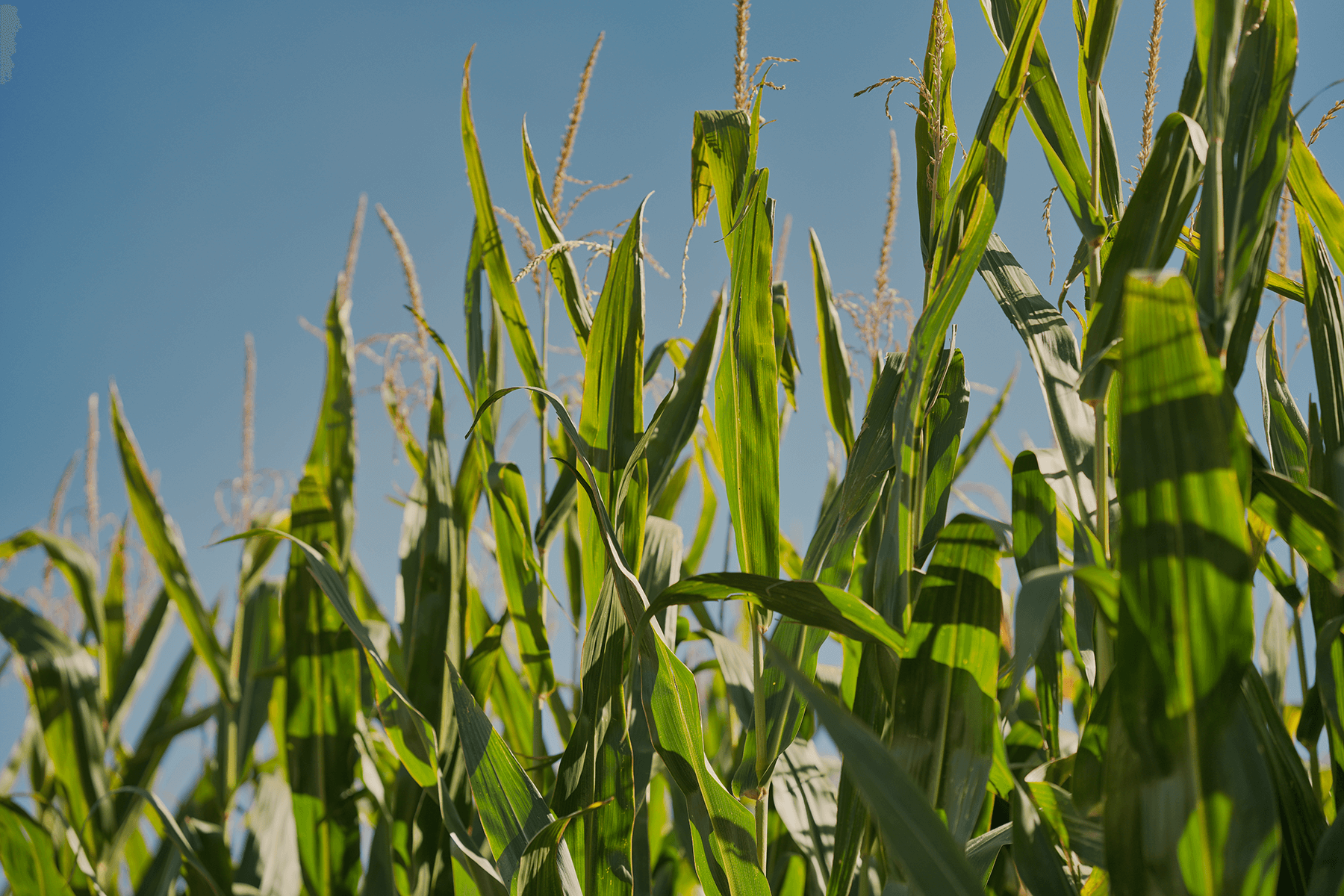
Nine crops: potatoes, peas, sweet corn, field corn, alfalfa, wheat, tritricale, apples, and cherries
Harvest crops for human consumption to supply fresh food
Send crops to The Kitchen to create nutritious cattle feed
STOP 2
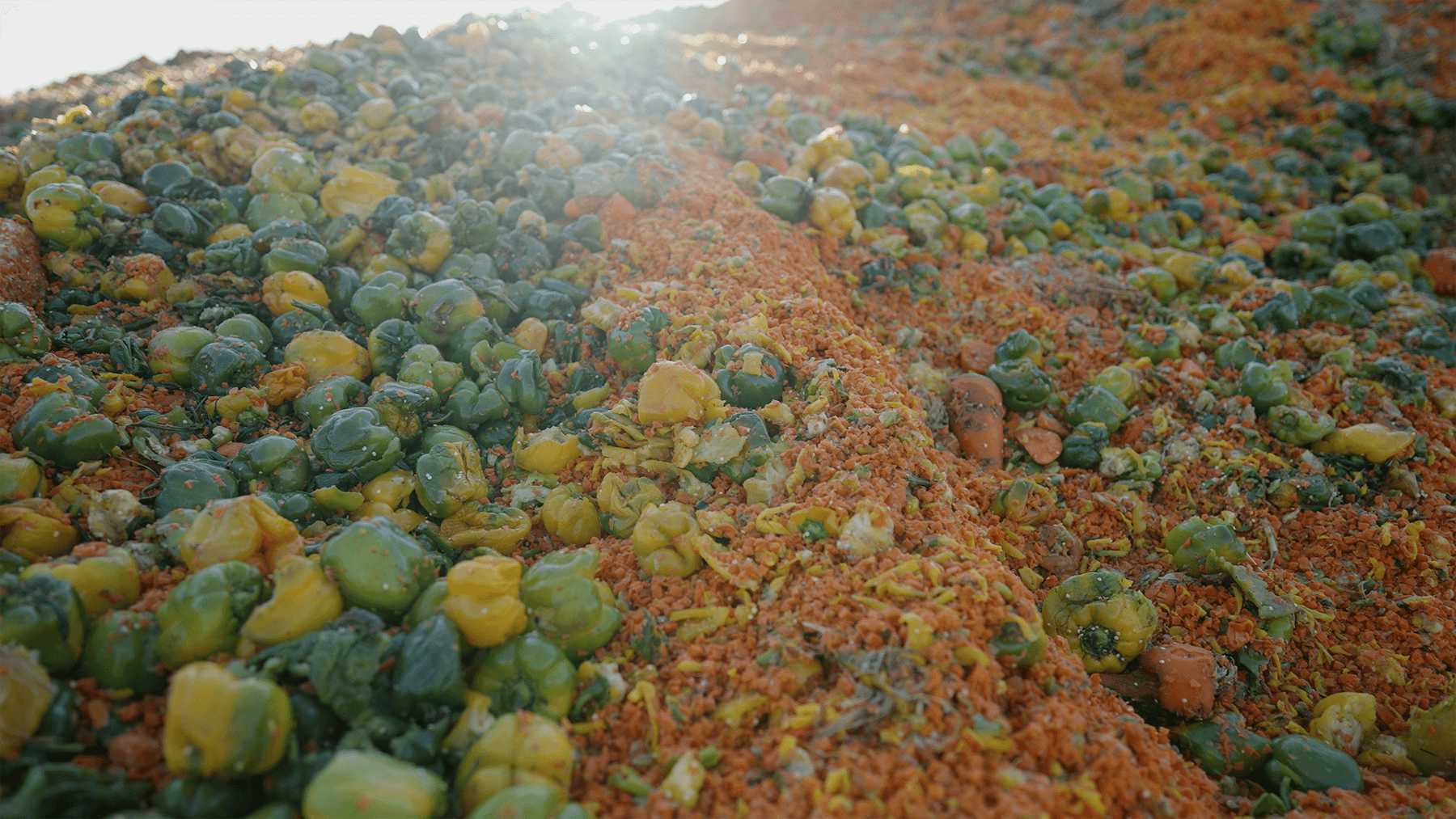
The Kitchen
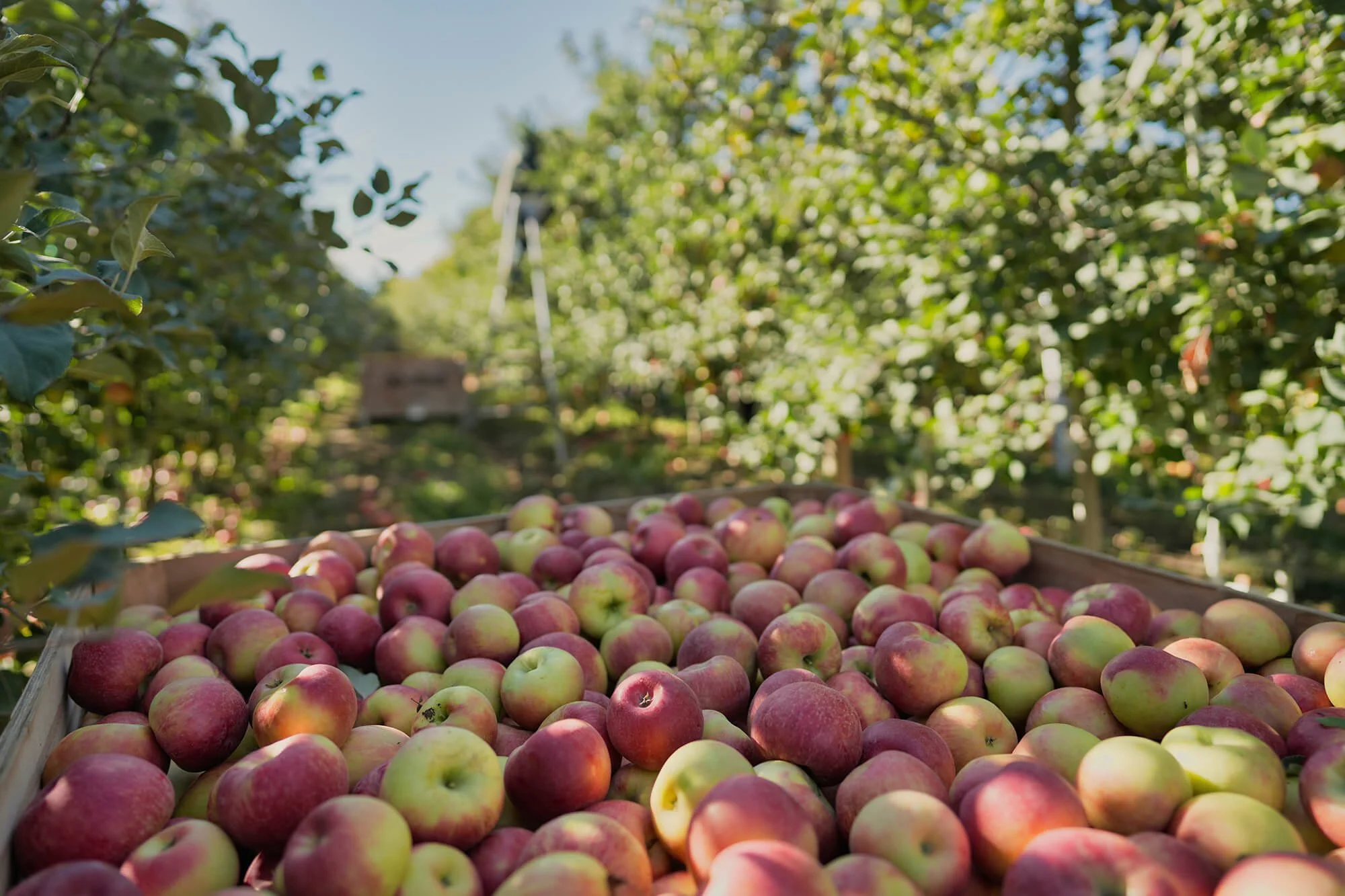
Byproducts from Royal Family Farming’s operations, local community processing companies, and culled apples, pears, and cherries (non-marketable or damaged fruit) from CMI Orchards.
Agricultural and food byproducts transformed into feed
Provides cattle optimal nutrition at every stage with 25 unique customized formulations
STOP 3
Cattle Bays
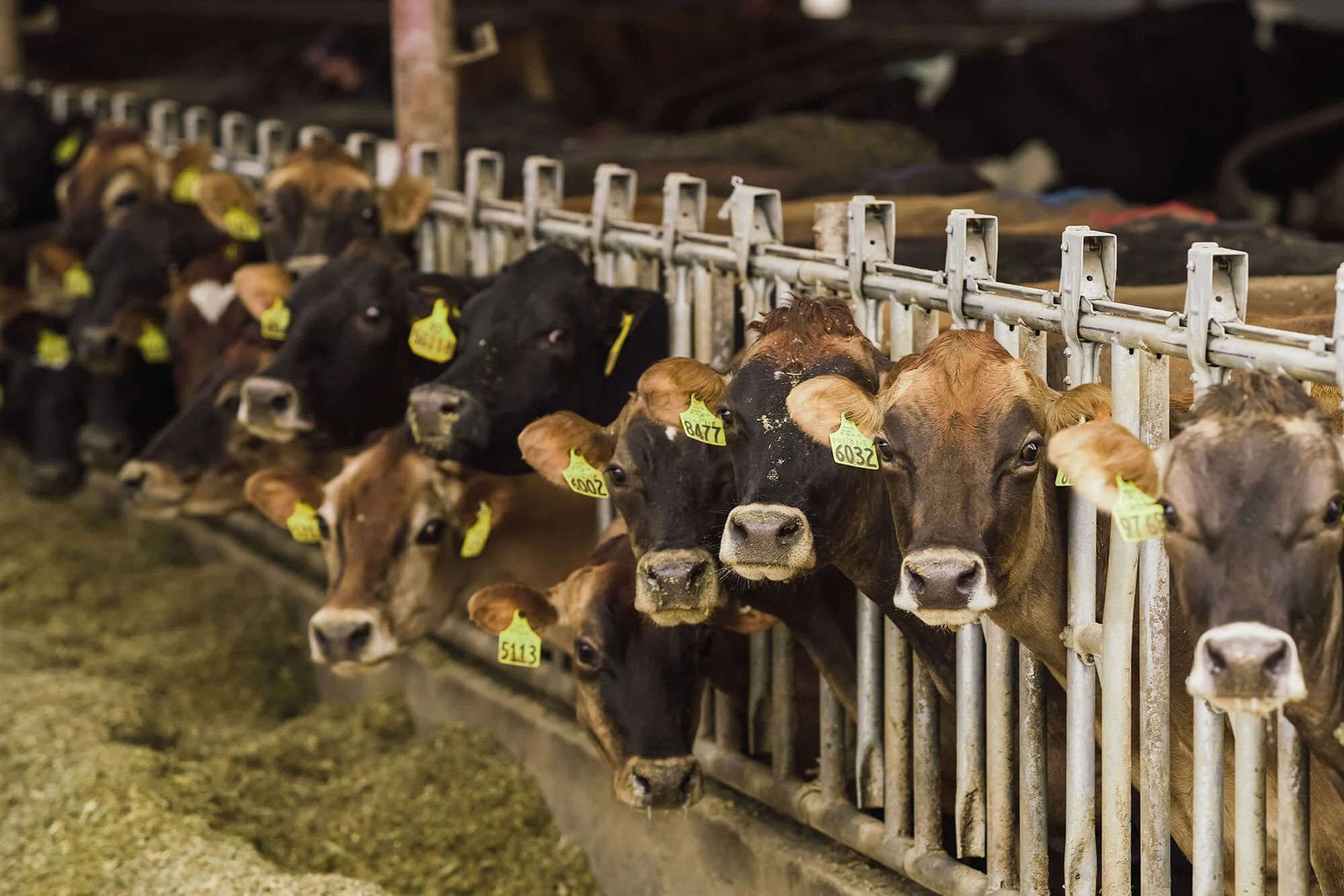
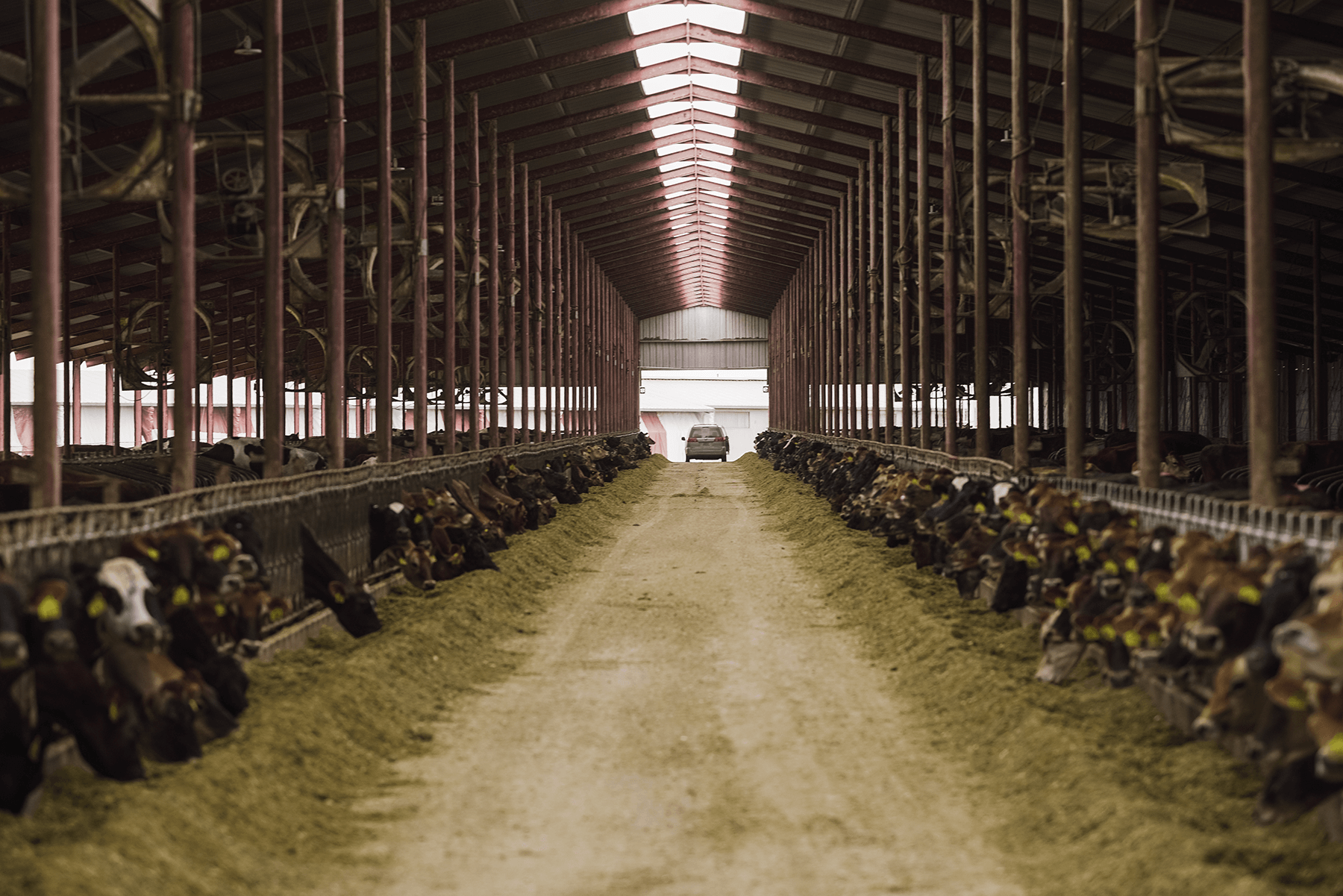
Royal Family Farming is home to nearly 50,000 beef and dairy cattle.
Consume agricultural byproducts
Produce milk and beef
Provide valuable waste streams
Flush lanes rely on water and gravity to move manure
Waste is recovered and reused elsewhere on the farm

STOP 4
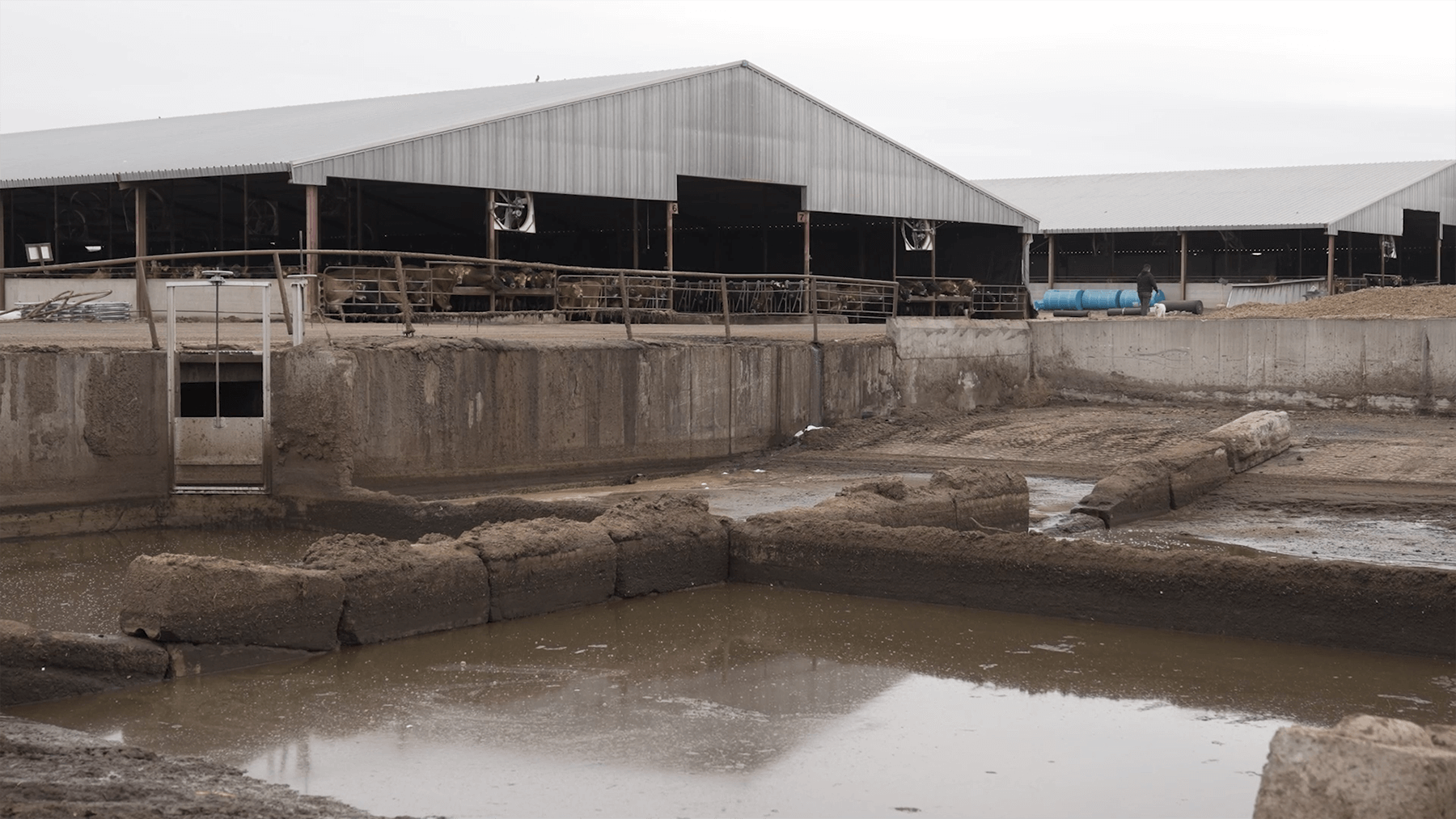
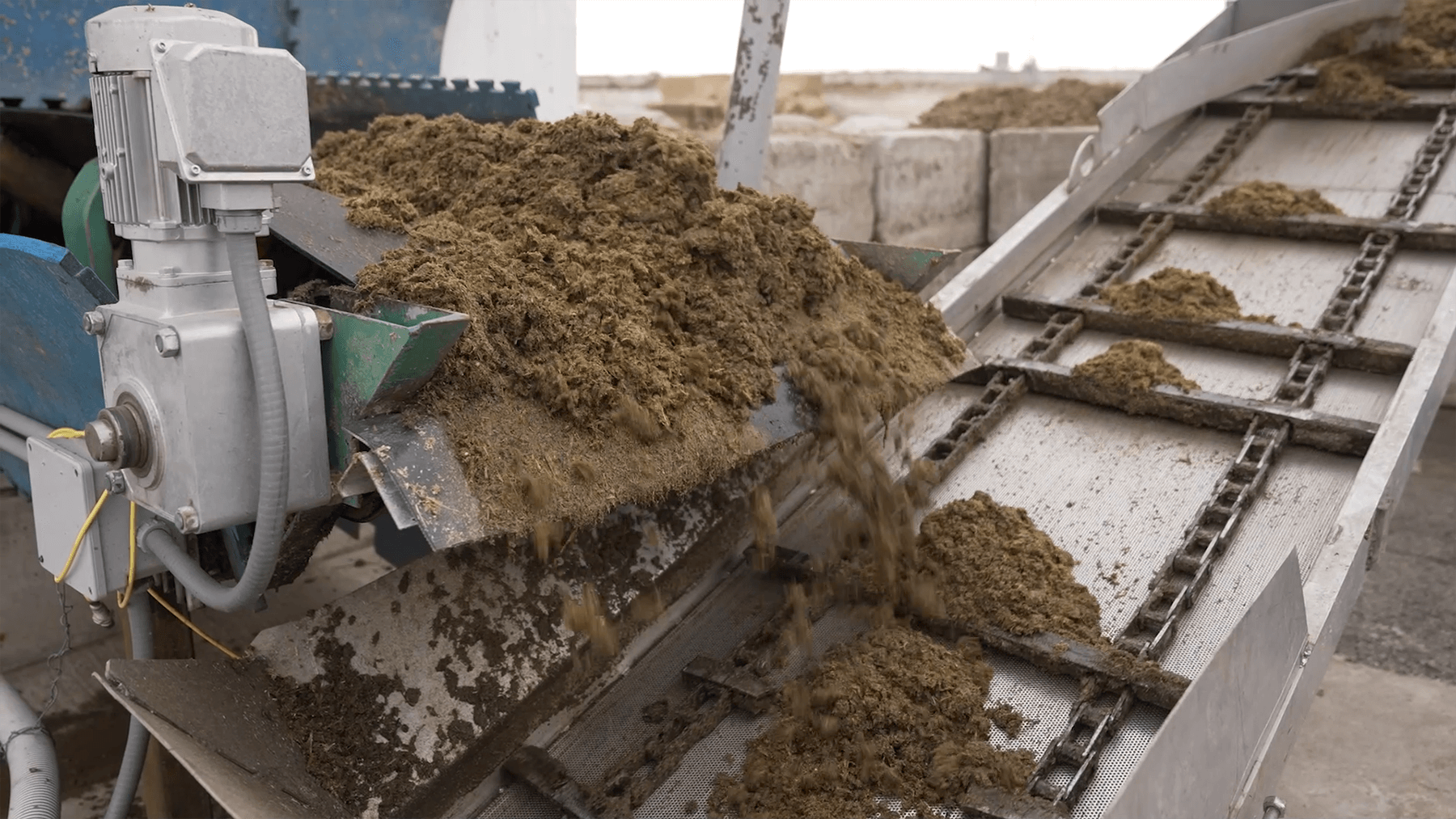
Waste Sorting
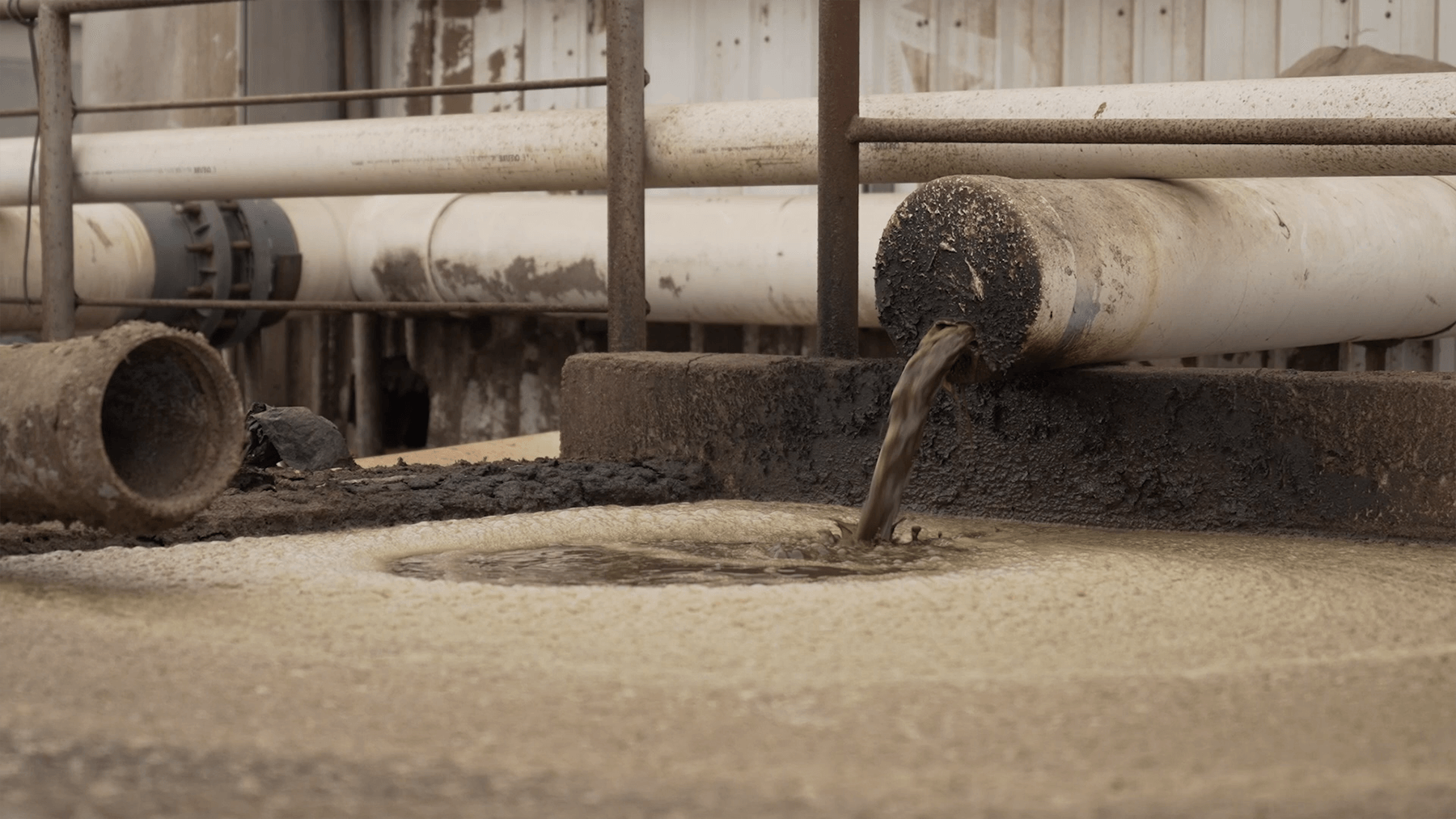
Solid and liquid manure is managed and repurposed to support sustainable farming.
Mechanical systems:
Settling pit
Primary screen
Sand lanes
Solid manure sent to compost yard
Liquid manure sent to worm beds
STOP 5
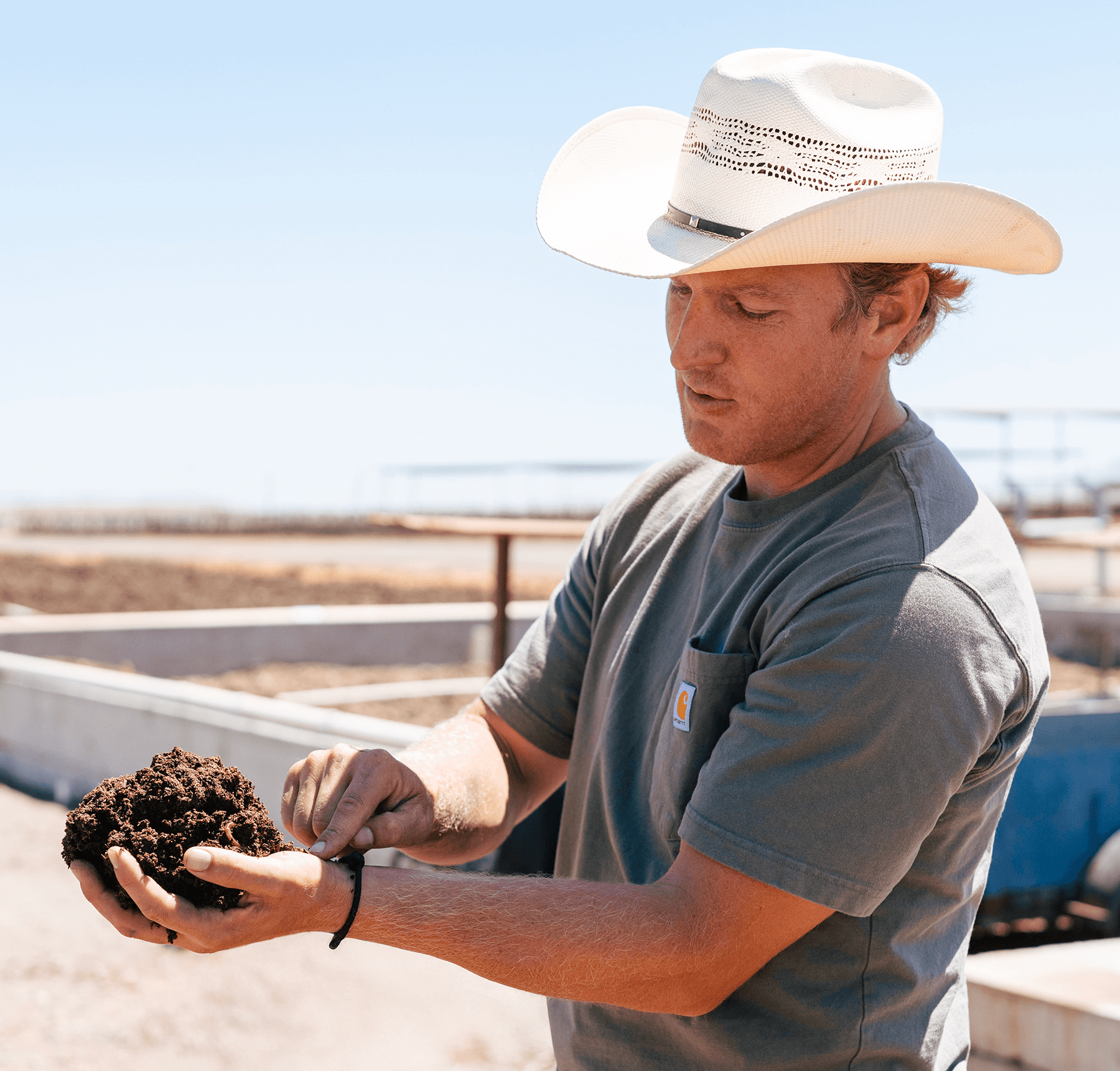
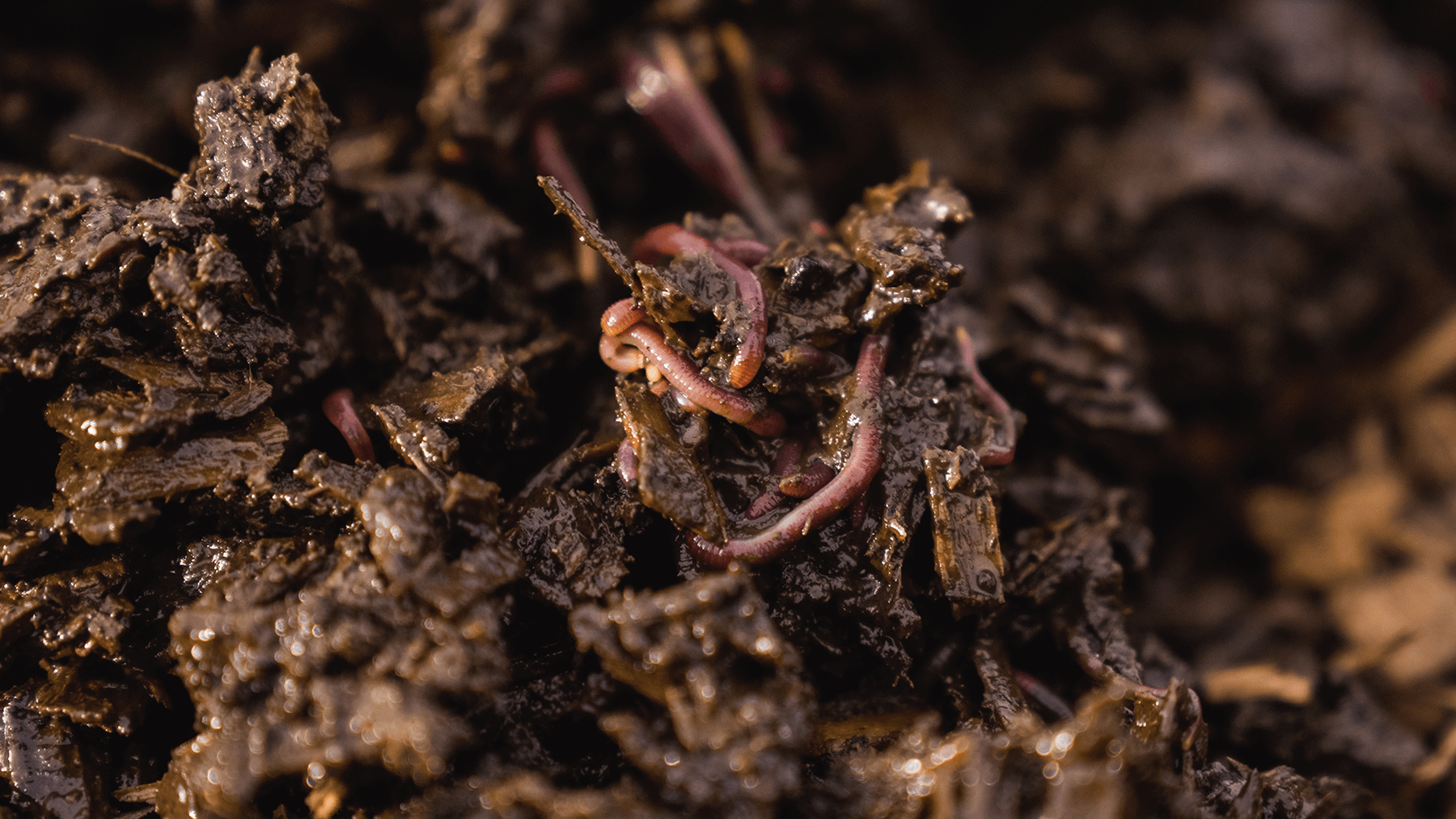
Worm Beds
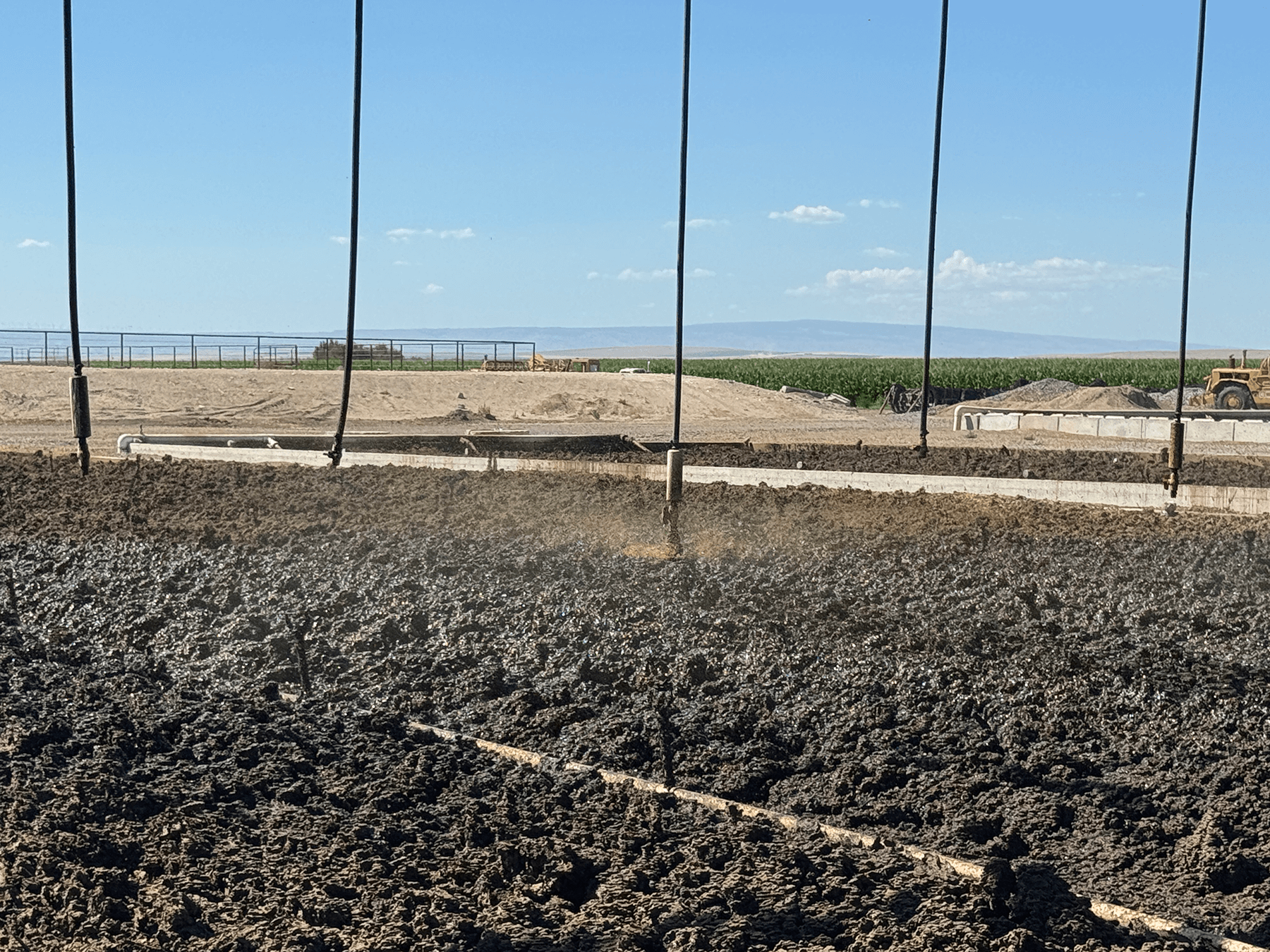
14 acres of worm beds turn farm waste into valuable resources that improve soil health and reduce emissions.
Process waste from:
Liquid manure and wastewater from Royal Family Farming
Chipped orchard wood from CMI Orchards
Remove up to 95% of contaminants from liquid manure in four hours
Eliminate greenhouse gases through natural processing
Transform waste into:
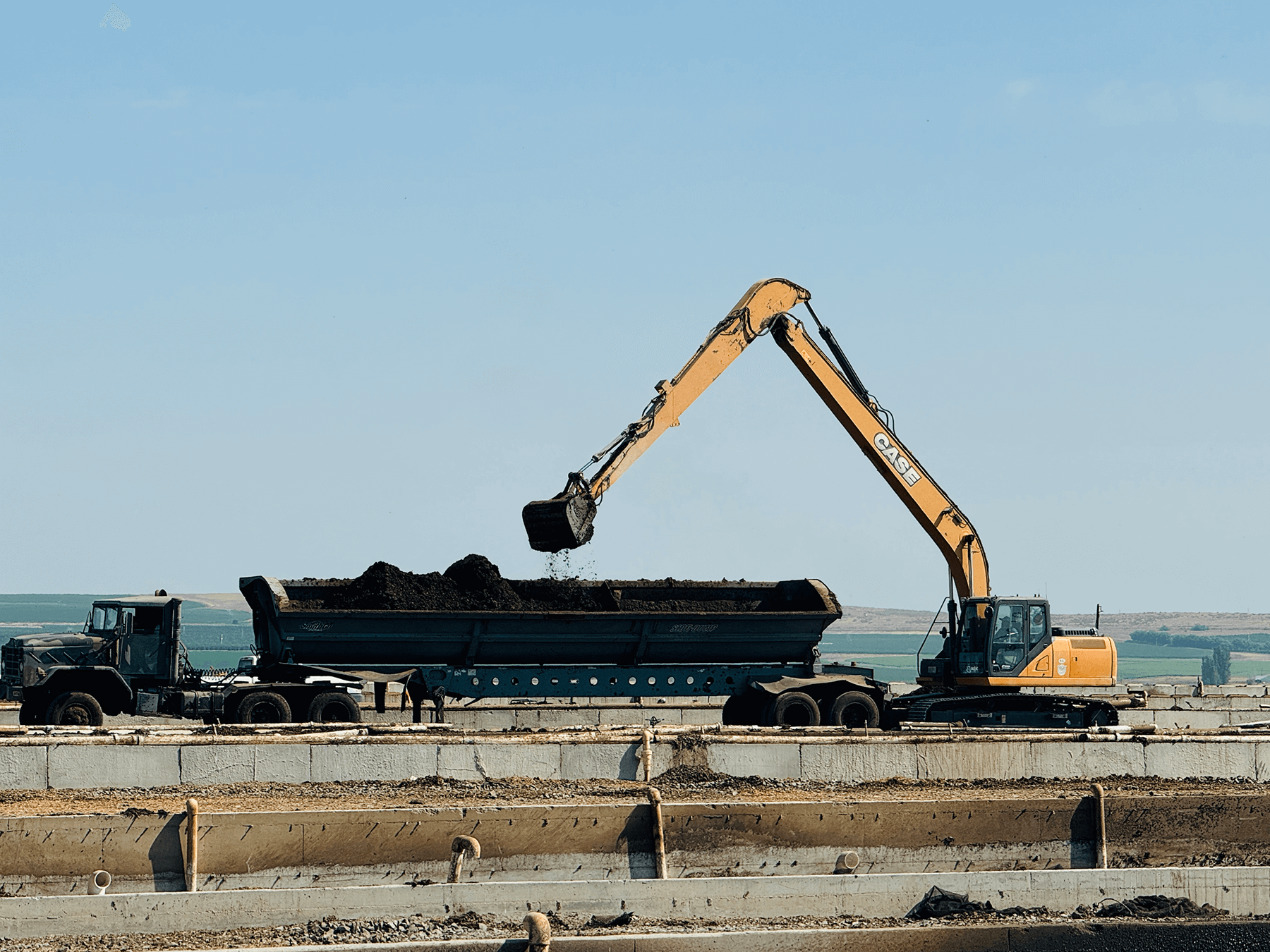
Nutrient-rich worm castings for orchards and row crops
Clean water for reuse on the farm
Worm castings sent to The Soil Center, the hub of soil health innovation
STOP 6
The Soil Center
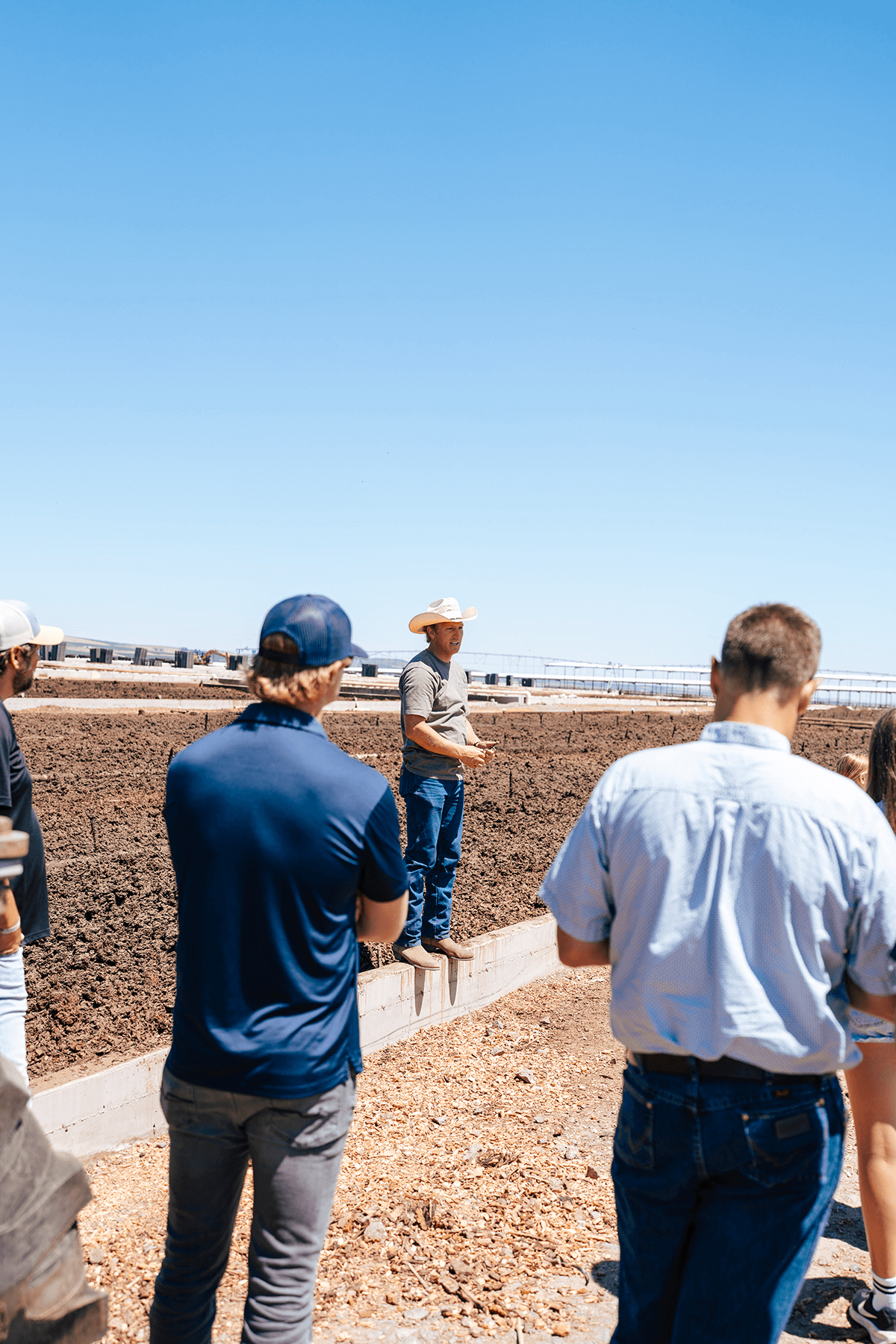
The Soil Center is a groundbreaking partnership between CMI Orchards and Royal Family Farming, where waste becomes a powerful tool for soil health and climate impact.
These efforts not only regenerate the land, but also help achieve carbon-negative fruit production.
Upcycles 100,000+ tons of natural material annually into regenerative soil products
Includes 40 acres of compost rows for large-scale organic recycling
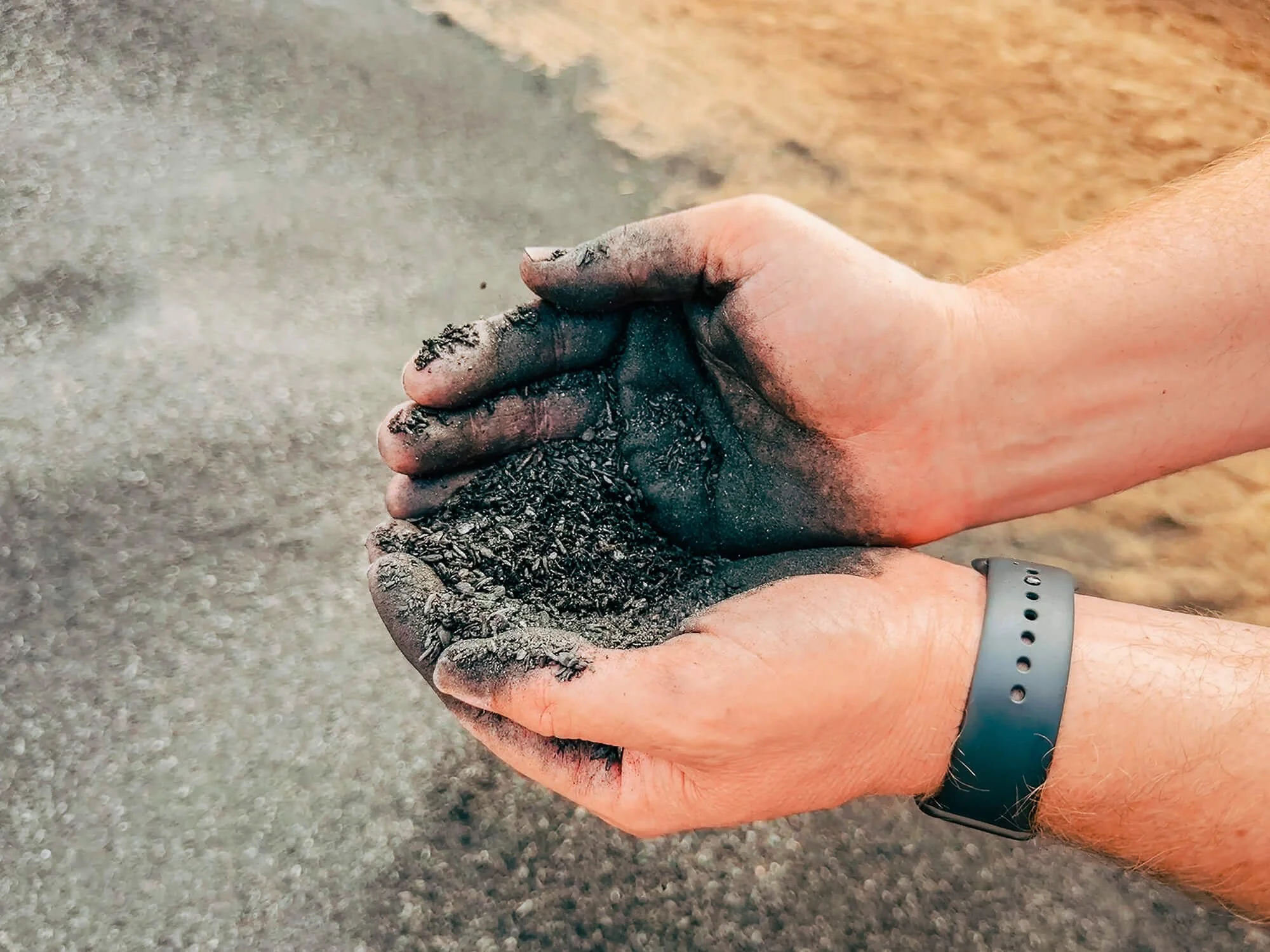
Operates three biochar reactors producing 8,000 tons of biochar each year
Maintains 14 acres of worm beds generating nutrient-rich worm castings
Improves soil health and sequesters carbon, about 350,000+ metric tons of CO2 equivalent annually
Generates third-party verified carbon credits, which are sold as insets to supply chain partners
Supports Planet Positive™ program, allowing CMI to market carbon-negative tree fruit
STOP 7
Birthing Barn
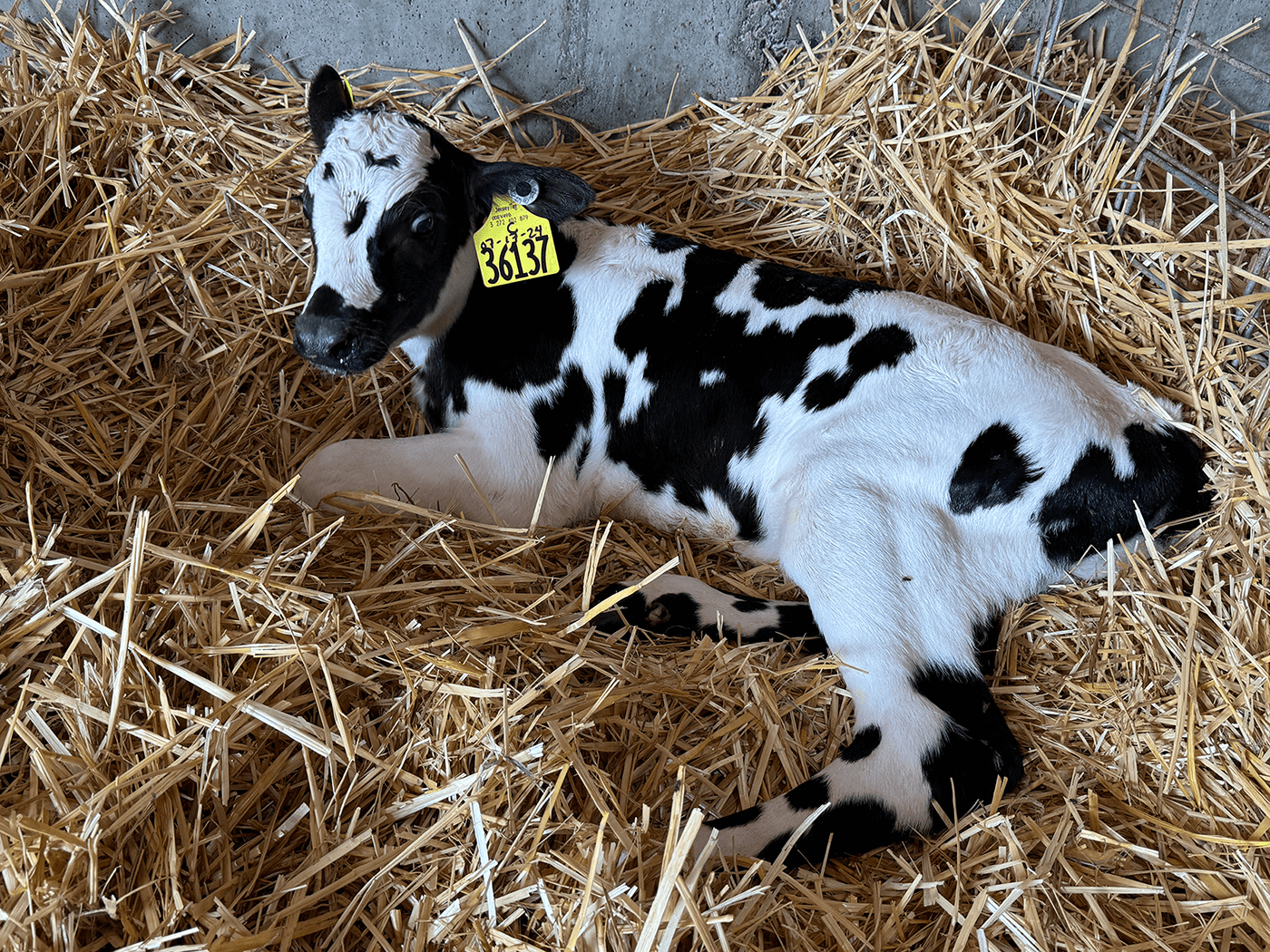
Newborn calves begin their journey here, supported by advanced care and tracking systems:
50 calves born daily with 99% survival rate
Tagged with red for beef and yellow for dairy
Equipped with RFID for traceability and carbon footprint tracking
Given colostrum to support health and development


STOP 8
The Parlor
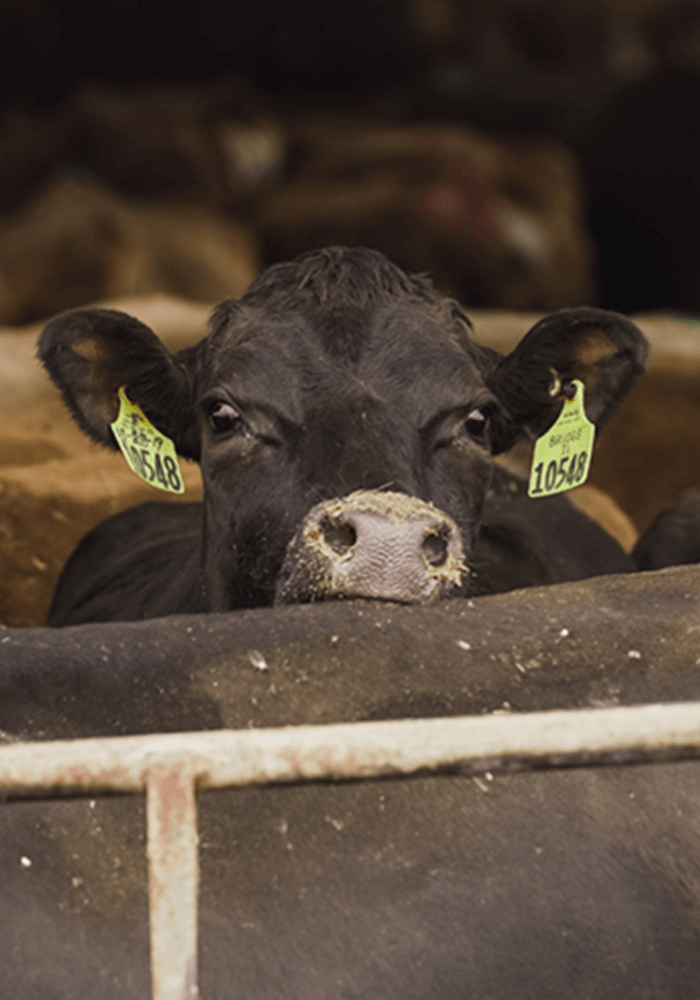
The heart of milk production. Dairy cows are essential to both food supply and regenerative farming.
Each cow turns 120 lbs. of feed into about 100 lbs. of milk daily
Cows produce nutrient-rich manure that supports the regenerative cycle

STOP 9
Orchards & Planet Positive™ Fruit
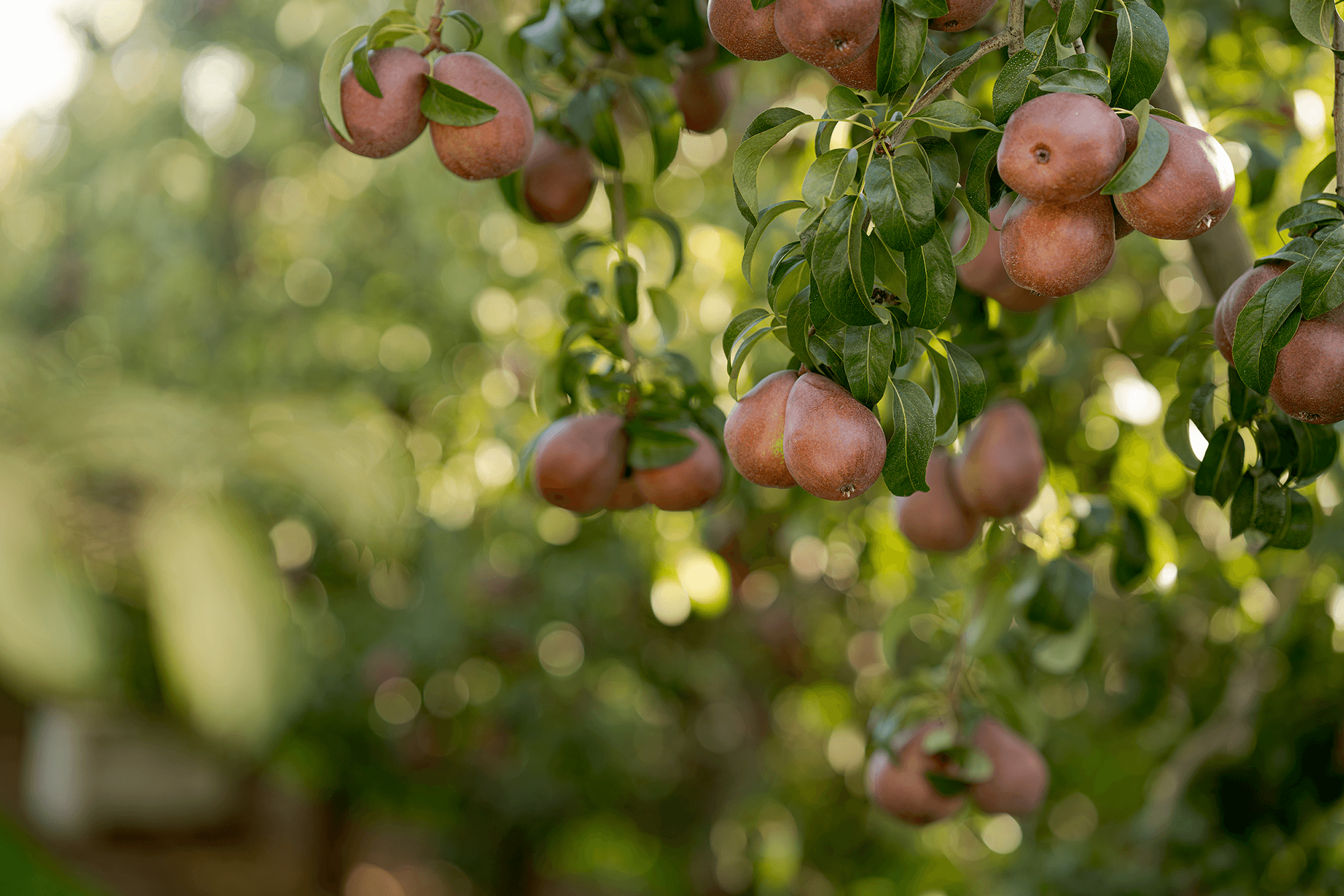
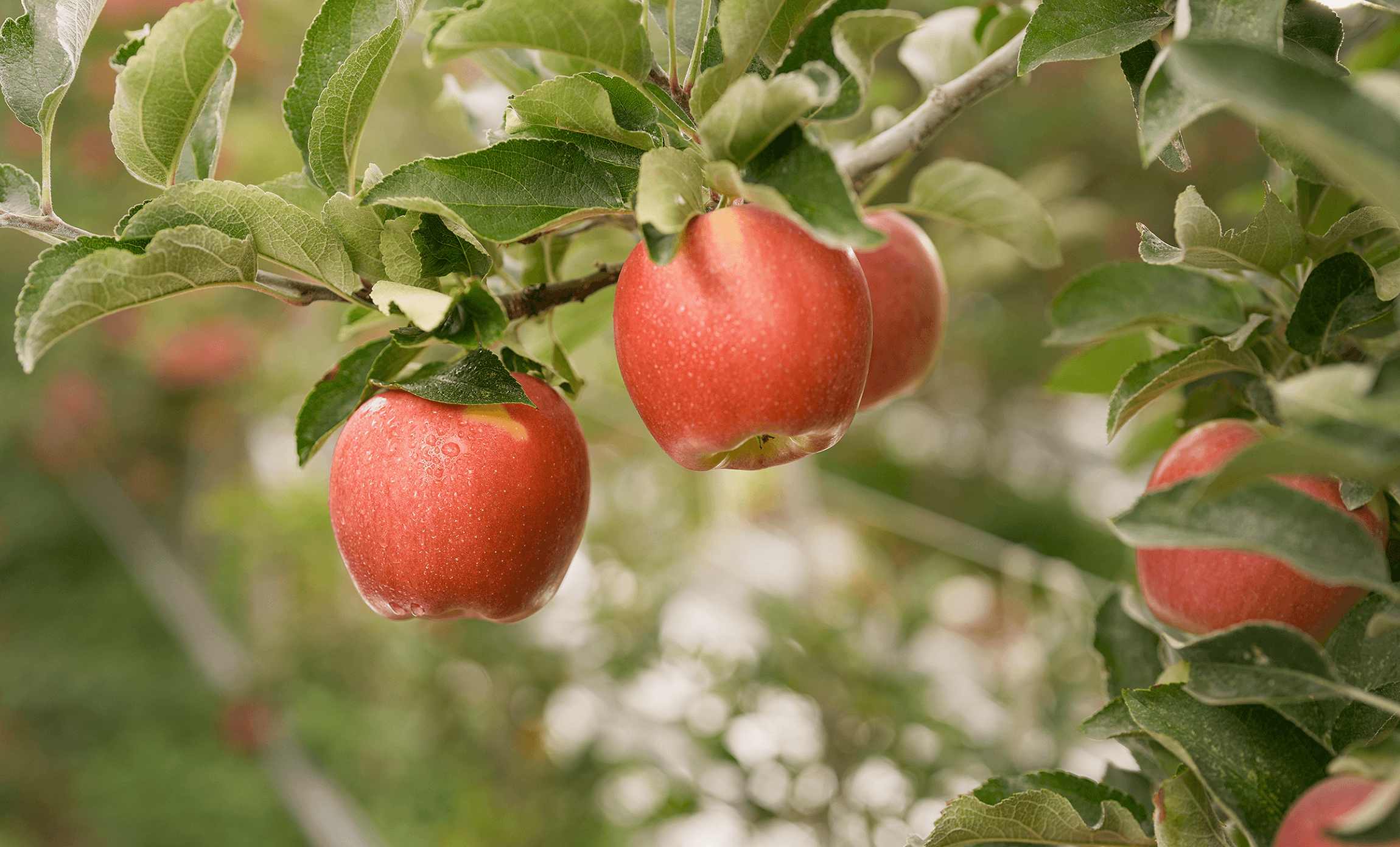
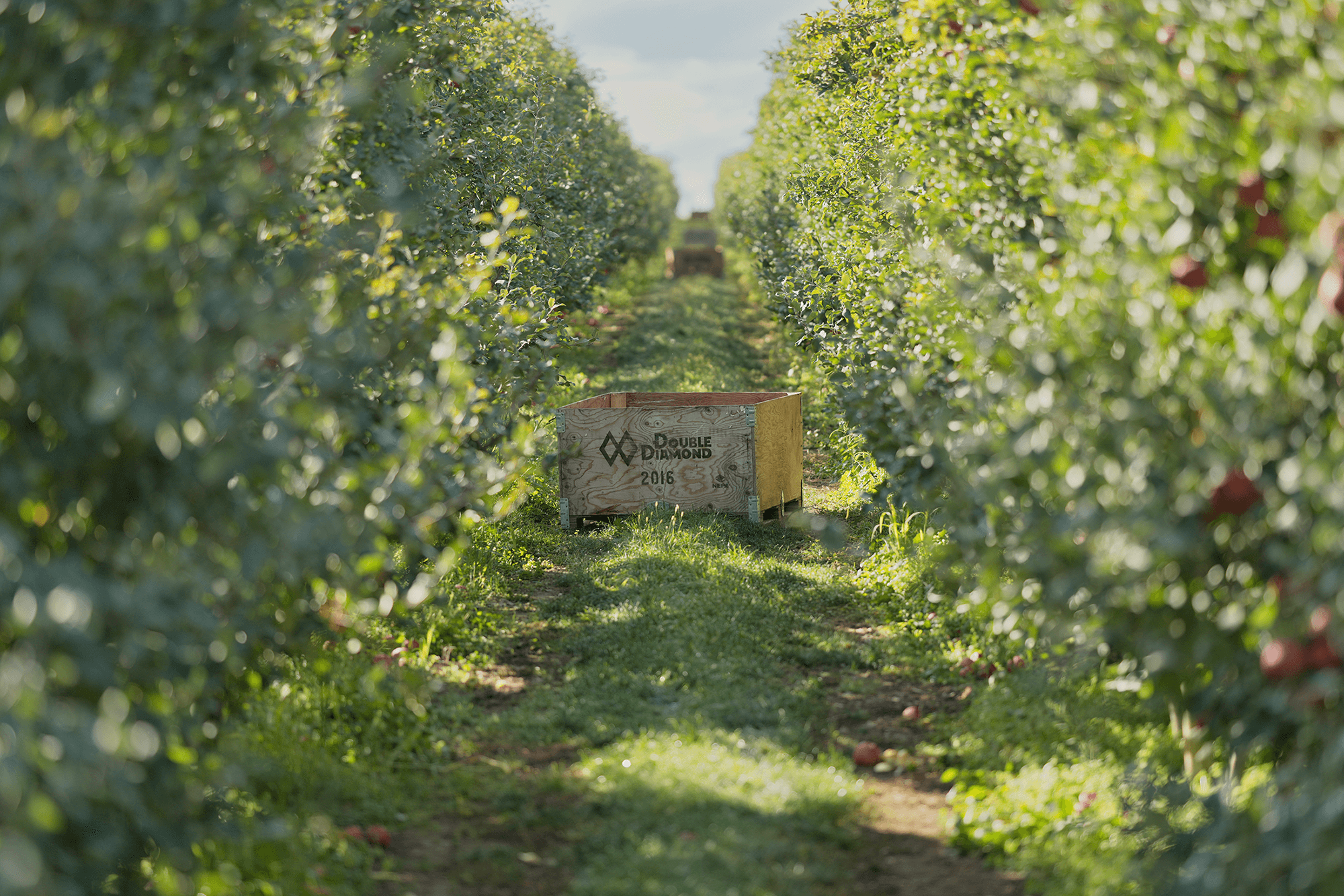
Upcycled materials produced through the system—such as compost, biochar, and worm castings—are returned to CMI Orchards to grow flavorful, nutrient-dense apples, pears, and cherries.
These regenerative soil amendments improve soil health, build long‑term resilience, and store carbon in the ground instead of releasing it into the atmosphere.
Culled fruit is returned to the kitchen as cattle feed
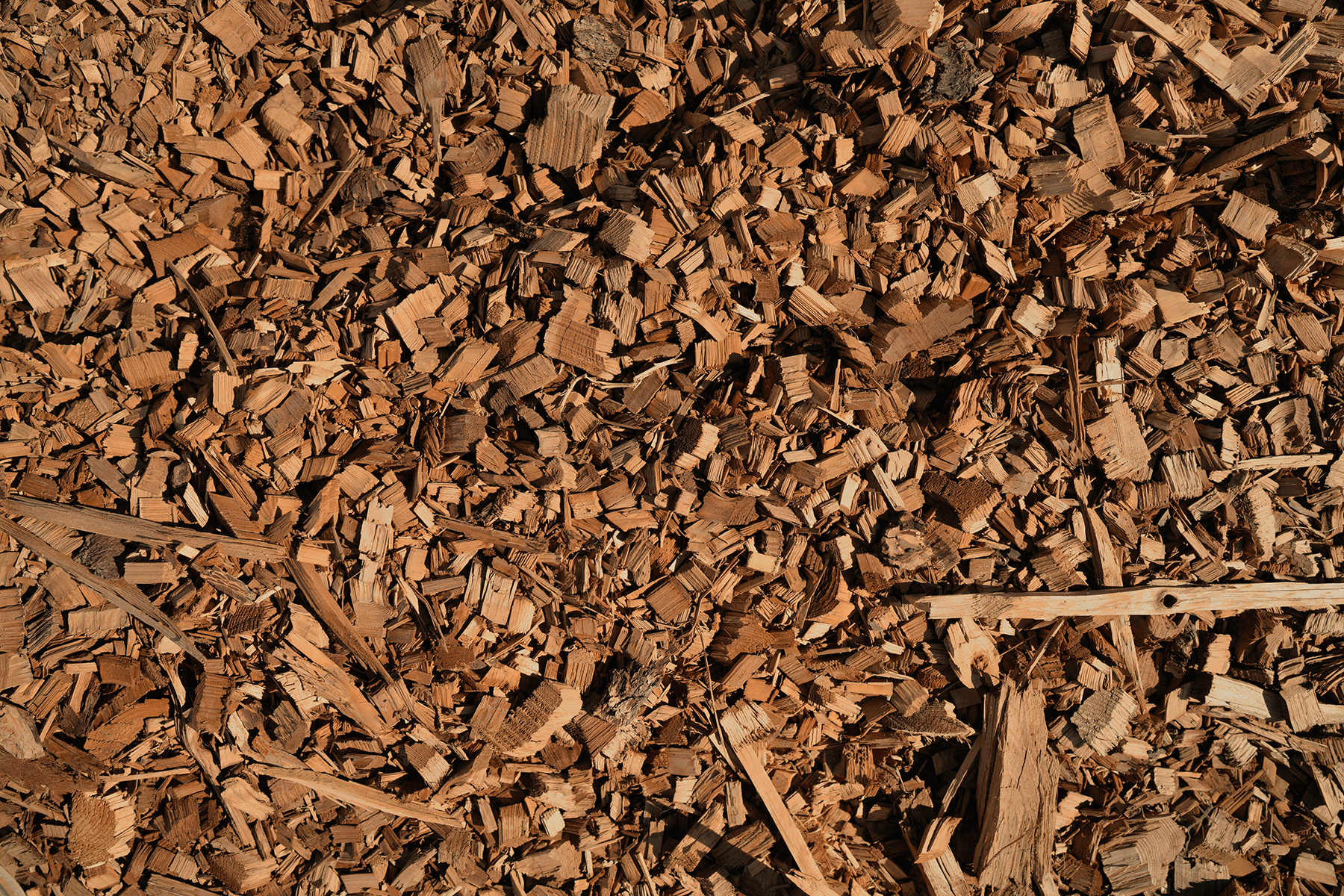
Removed orchard wood is chipped and used in the biochar reactors and worm beds
This closed‑loop approach supports our Planet Positive™ program.